Why Asking the Right Questions Matters More Than Ever in the Age of AI
In a world of instant AI answers, the real challenge is asking better questions. Longevity isn’t about more years — it’s about asking why those years matter.

As children, our favourite word was why.
Why is the sky blue?
Why do I have to go to bed?
Why does it rain?
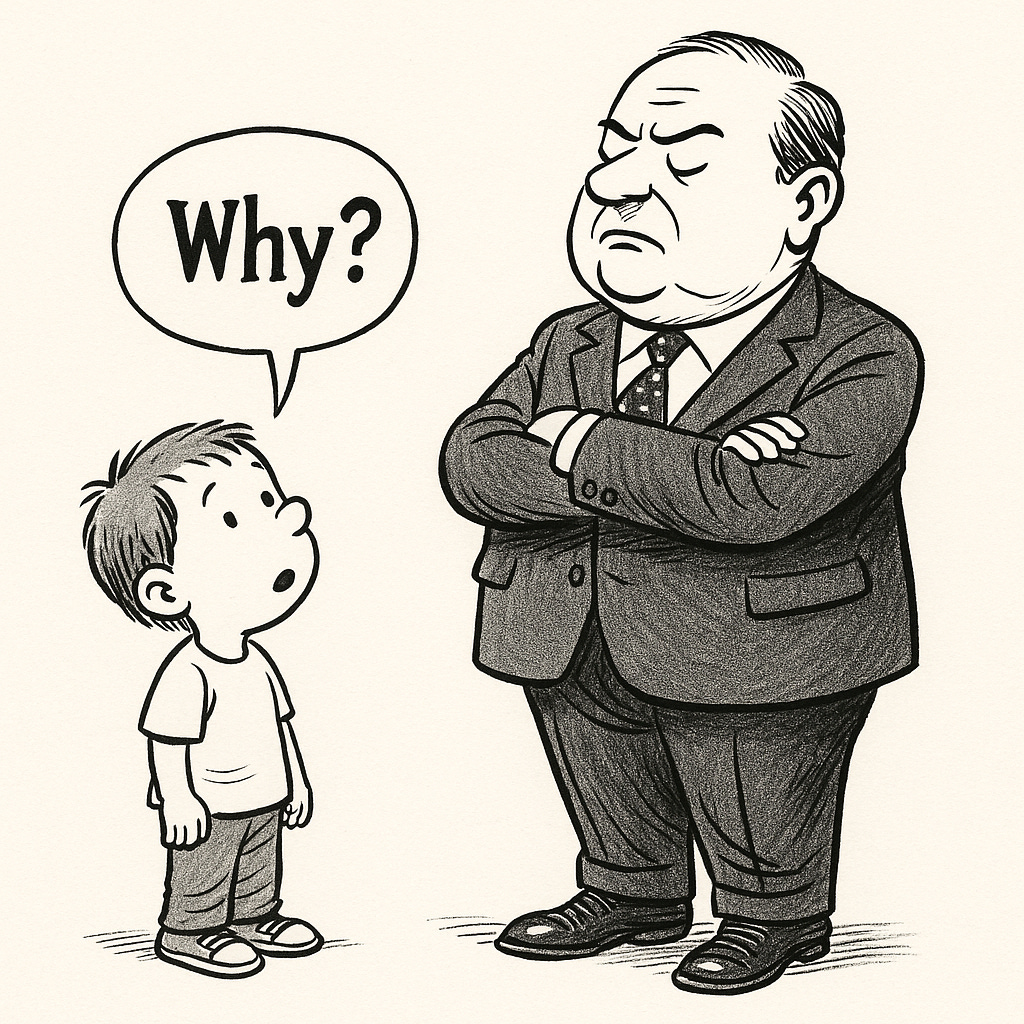
We weren’t satisfied with “what” or “how.” We wanted the reason, the meaning.
But at some point, school trained us out of that. Instead of asking “why,” we were told to memorise answers. Exams rewarded repetition, not curiosity.
Fast forward to today, and answers are cheaper than ever. Google, Wikipedia, YouTube, and now AI tools like ChatGPT deliver them in seconds. No need to wonder, no need to wait.
And yet, in this ocean of instant answers, the real scarcity is good questions.
The Excitement of the What and the How
Most of what we search for online comes down to “what” and “how.”
What is the capital of…
How do I cook…
What’s the best exercise for…
How do I fix…
They’re exciting because they give us quick wins. A “how-to” video can fix a tap or teach a new recipe. A “what” fact can settle a debate in seconds.
But as futurist John Naisbitt warned:
“We are drowning in information but starved for knowledge.”
Collecting answers isn’t the same as gaining wisdom.
The Awkwardness of the Why
“Why” questions rarely have neat answers. They make us slow down, reflect, even feel uncomfortable.
Why am I chasing this goal?
Why do we measure success this way?
Why am I restless when everything looks fine on paper?
Voltaire once said:
“Judge a man by his questions rather than by his answers.”
And Socrates pushed further:
“The unexamined life is not worth living.”
The truth is: asking “why” requires space. And in our rush for productivity, space is the very thing we’ve lost.
Why Questions Matter for Longevity
This isn’t just a philosophical issue. It’s deeply practical — especially when it comes to health and longevity.
Our society spends enormous energy asking:
How can we speed up GDP growth?
What technologies will make us more efficient?
How can we live longer?
But far less energy asking:
Why do we want more GDP growth?
Why are we racing toward efficiency?
Why live longer, and for what kind of life?
Because here’s the truth: there’s no point living to 100 if it’s in a shattered world, stripped of meaning and wellbeing.
Longevity isn’t just about more years. It’s about better years — richer, healthier, more connected. And that requires us to ask why we want to live longer in the first place.
As Clay Christensen put it:
“The purpose of knowledge is not to accumulate answers, but to discover better questions.”
The Cost of Ignoring Why
When individuals neglect “why,” we drift into jobs, lifestyles, or routines that never satisfy.
When societies neglect “why,” we cling to shallow measures of success. We chase GDP growth as though it were the only scorecard, even if wellbeing and health stagnate.
The result? A world that is wealthier on paper but poorer in meaning. A longer life expectancy paired with rising rates of burnout, stress, and chronic illness.
Without asking why, longevity risks becoming empty — just more years to endure, rather than more life to enjoy.
Rediscovering the Space for Questions
So how do we reclaim the art of asking better questions — both as individuals and as a culture?
Journaling: write down the questions that nag, not just the answers you collect.
Walking without headphones: let your mind breathe and wander.
Scheduling time to think, like Bill Gates’ famous “Think Weeks.”
Reading slowly: linger over ideas, instead of racing through summaries.
Poet John Ciardi said it best:
“A good question is never answered. It is not a bolt to be tightened into place but a seed to be planted and to bear more seed.”
Better questions are seeds — they grow into wisdom, resilience, and purpose.
Toward a Culture of Better Questions
We’ve mastered the “what” and the “how.” The challenge now is to reclaim the “why.”
Because the future of longevity isn’t just about adding years to life — it’s about adding life to those years.
Indira Gandhi put it clearly:
“The power to question is the basis of all human progress.”
The answers are at our fingertips. The real progress comes from asking the harder questions.
So here’s one to start with:
✨ If you lived to 100, what would make those years truly worth living?
If this piece made you pause, share it with someone who could use a reminder that living long only matters if we make those years meaningful.