Wired Young, Worn Out Soon?
How today’s classroom struggles with focus could shape tomorrow’s health crises

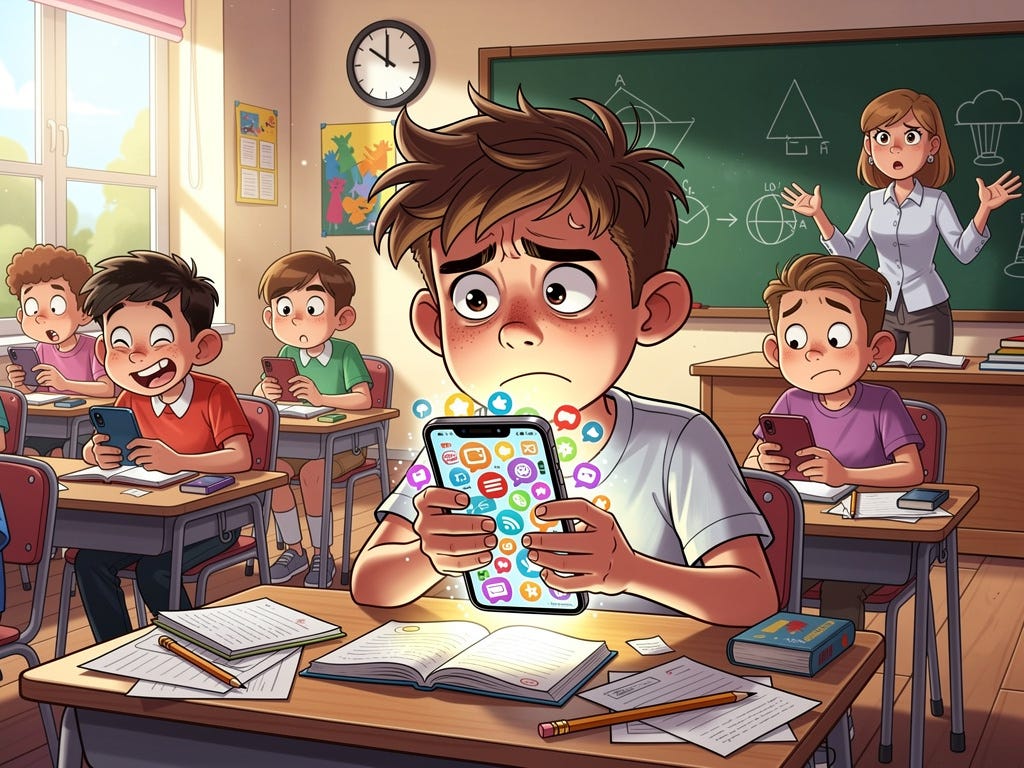
This week, I spoke with a teacher who’s been in the classroom for over two decades. He described a striking shift: most children now need stress balls or fidget toys just to sit still. Pens are constantly broken, not from use, but from restless hands. Focus is fleeting. “It’s like they’re wired differently,” he said.
His observation isn’t just about behaviour—it’s about biology. And it’s a red flag for anyone who cares about longevity.
The Classroom as a Canary in the Coal Mine
The teacher’s experience mirrors broader trends. A recent analysis of global data found that teens spending more time on devices during school hours show steeper declines in test scores and higher rates of loneliness. The culprit? Smartphones and laptops, which have become near-constant companions, even in class.
But here’s the kicker: this isn’t just about education. It’s about brain development. The teenage years are critical for forming neural pathways—especially those related to focus, emotional regulation, and stress response. When those pathways are shaped by constant distraction and digital stimulation, the consequences echo far beyond the classroom.
Stress Today, Health Tomorrow
Why does this matter for longevity? Because mental health and stress levels in youth are directly linked to physical health in adulthood. Chronic stress in childhood and adolescence doesn’t just disappear—it rewires the brain and body, increasing the risk of:
Metabolic disorders (like diabetes and obesity)
Cardiovascular disease
Autoimmune conditions
Accelerated cognitive decline
Research shows that adolescents with higher stress levels are more likely to develop chronic illnesses in their 30s and 40s. If today’s kids are already struggling to focus and self-regulate, what will their health look like in 20 years?
The Longevity Lens: What Can We Do?
1. Protect the Developing Brain
Advocate for device-free schools—not just during class, but during breaks and lunch. Social interaction and unstructured play are essential for brain development.
Encourage “boredom time”: Let kids sit with their thoughts, daydream, or engage in low-stimulation activities. Boredom is the brain’s way of processing and consolidating learning.
2. Build Resilience Early
Teach mindfulness and breathwork in schools. These tools help rewire stress responses and improve focus.
Prioritise sleep hygiene: Sleep is when the brain prunes unnecessary connections and strengthens important ones. Poor sleep in adolescence is linked to higher rates of dementia later in life.
3. Model Healthy Tech Habits
Kids mimic adults. If we’re glued to our phones, they will be too. Set boundaries—like no screens at meals—and stick to them.
Create tech-free zones at home, especially in bedrooms. Charge devices overnight in a central location.
4. Reframe “Focus” as a Longevity Skill
The ability to concentrate isn’t just academic—it’s a health skill. Help kids (and adults) see focus as something to cultivate, not just for grades, but for a healthier, longer life.
The Bigger Picture: A Call for Systemic Change
This isn’t about blaming parents or teachers. It’s about recognising that our environment is shaping our biology—and not always for the better. Schools, policymakers, and tech companies all have a role to play in creating spaces where young brains can develop without constant digital interruption.
As a longevity coach, I see this as a public health issue. The habits and neural pathways we form in childhood set the stage for decades to come. If we want a future where people thrive into old age, we need to start by protecting the brains of the young.
What You Can Do Today
Talk to your kids about tech use—not as a punishment, but as a way to care for their future selves.
Support schools that limit device use during the day.
Prioritise offline activities that build focus and resilience, like reading, sports, or creative hobbies.
The classroom struggles we see today aren’t just about education. They’re a warning sign for the health of an entire generation. Let’s heed it.
Your turn: Have you noticed changes in focus or stress levels in the kids (or adults!) around you? How do you navigate tech use in your home or workplace? Share your thoughts in the comments.
Further reading:
Want more practical tips for longevity? Subscribe to The Longevity Letter for science-backed advice delivered straight to your inbox.